
The construction and property market in Vietnam has expanded rapidly in recent years. Alongside booming residential and commercial projects, the government has tightened requirements for legal documentation to ensure compliance, safety, and transparency. One of the most crucial documents for property owners is the house completion certificate. For anyone building or buying a property, understanding the house completion certificate Vietnam process is essential to avoid legal complications, ensure the property’s legitimacy, and prepare for future transactions such as sales, leases, or mortgages.
What is a House Completion Certificate in Vietnam?
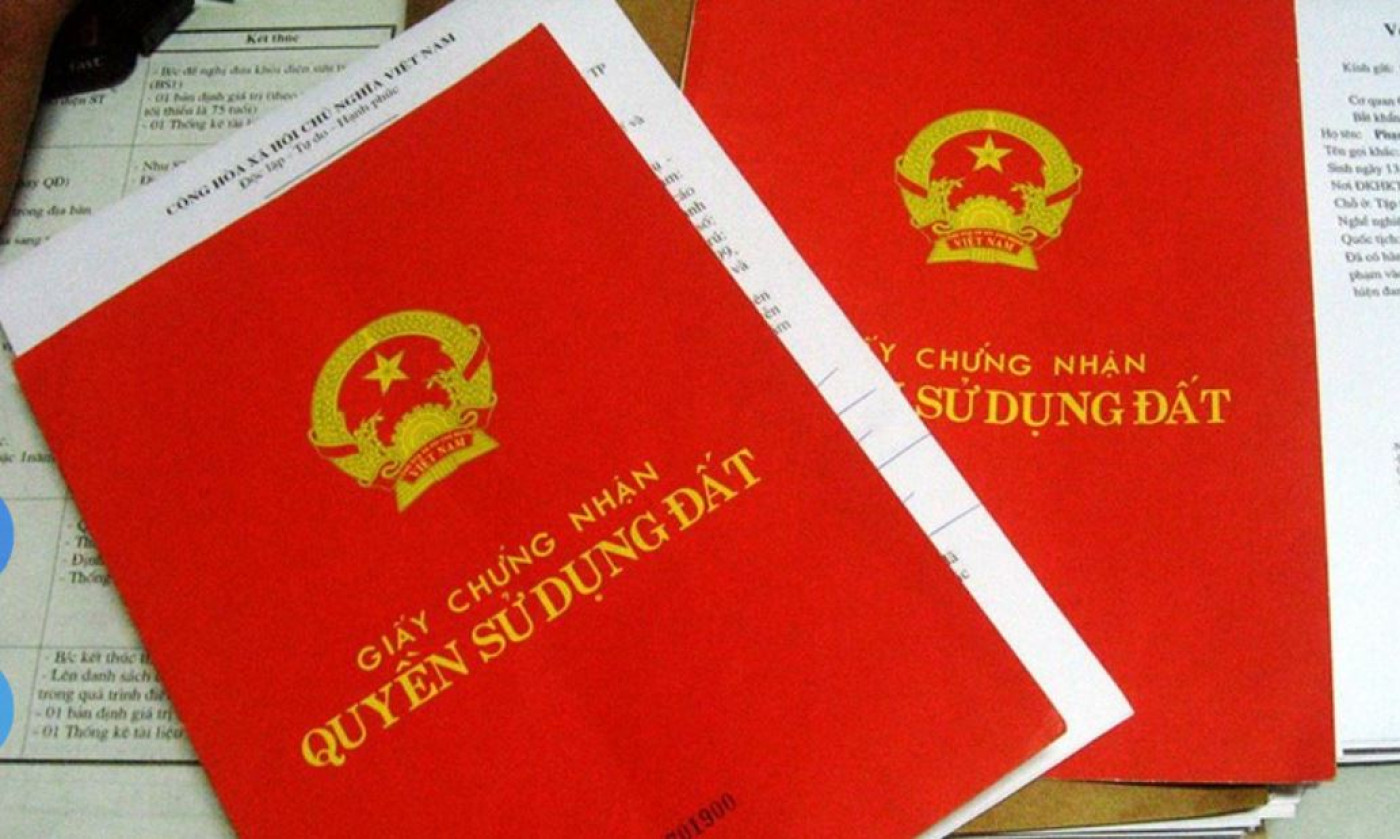
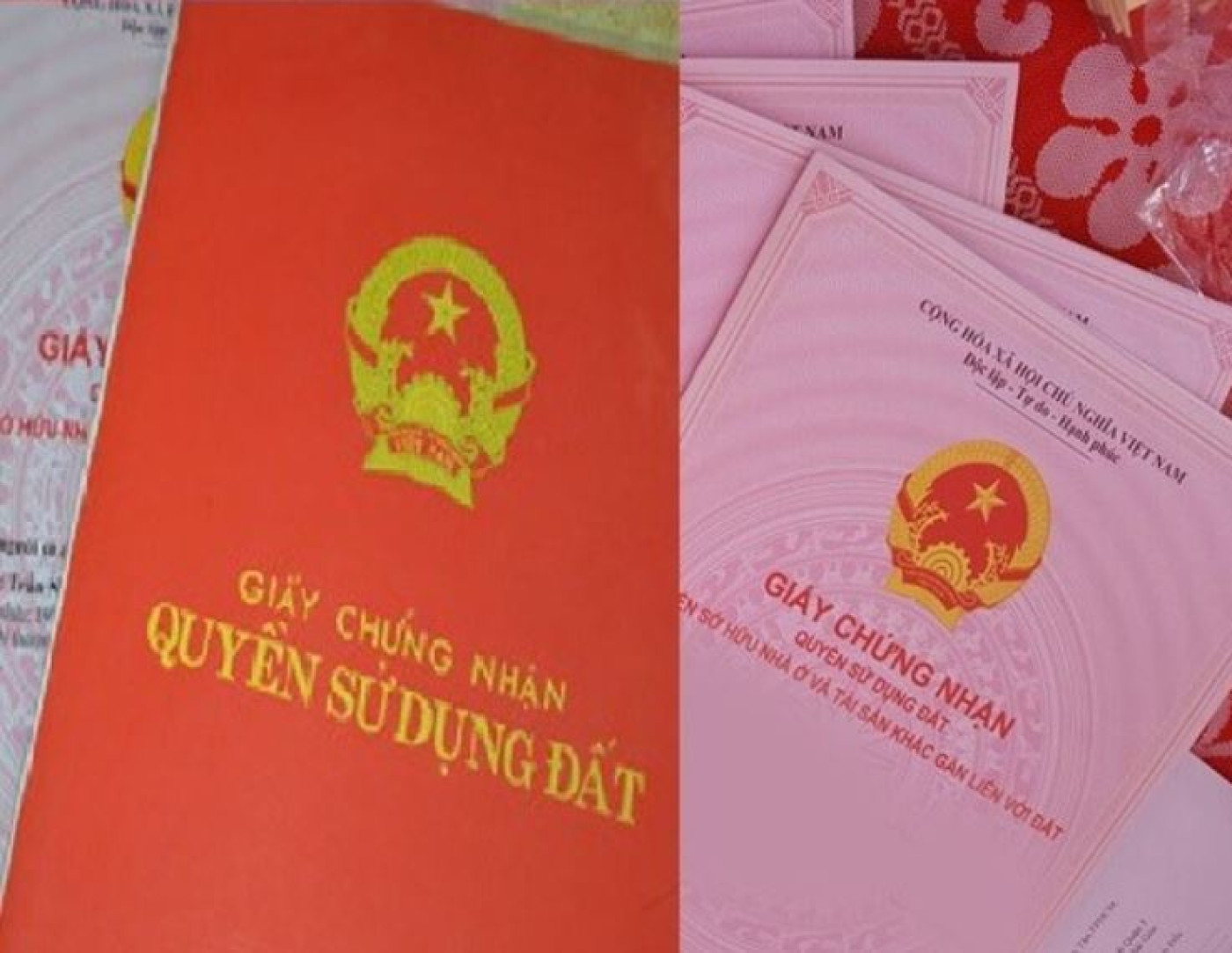
A house completion certificate, sometimes called the certificate of completion or as-built acceptance certificate, is an official document issued by local authorities that confirms a construction project has been completed in compliance with approved designs, safety standards, and building permits. It serves as legal proof that the house or building is ready for use. Without this certificate, the property is not legally recognized as habitable, even if physically completed. Owners cannot officially register the property, apply for a Red Book (Land Use Right Certificate and ownership certificate for houses), or use the property in formal transactions.
Why is a House Completion Certificate Important?
This certificate plays multiple roles in Vietnam’s real estate and legal framework. First, it provides legal recognition. The property cannot be recorded in official land and housing registries without it. Second, it ensures compliance with safety and design standards, protecting occupants from risks associated with unauthorized or unsafe construction. Third, it enables property transactions. Banks, buyers, and tenants all require proof of compliance before engaging in contracts. Finally, it prevents future disputes with authorities, neighbors, or potential buyers. Owning a house without completion certification exposes the owner to fines, demolition risks, or difficulty in selling or mortgaging the property.
Legal Basis for House Completion Certificate
Vietnam’s legal system clearly outlines the requirements for house completion certificates. Key regulations include the Law on Construction (amended 2020), the Law on Housing 2014, and guiding decrees issued by the government. According to these laws, any new construction, renovation, or expansion of housing must be reported to local authorities and, upon completion, inspected for compliance. The certificate is issued by the Department of Construction or the People’s Committee at the district level, depending on the project’s scale. For small individual houses, local authorities typically handle the process, while larger residential or commercial projects may require provincial-level approval.
Step-by-Step House Completion Certificate Vietnam Process
Step 1: Obtain a Building Permit Before construction begins, the owner must apply for a building permit from local authorities. The permit specifies the approved design, dimensions, height, and construction timeline. Without this permit, any subsequent completion certificate application will be invalid.
Step 2: Conduct Construction According to Approved Design The house must be built strictly in accordance with the approved design and permit. Unauthorized changes, such as adding extra floors or expanding the footprint, can result in penalties or rejection of the completion certificate application.
Step 3: Prepare Application Documents for Completion Certificate Once construction is completed, the owner must prepare a dossier for submission. This typically includes:
Application form for house completion certificate
Copy of building permit
Construction design drawings
Construction contract and acceptance report (if a contractor was hired)
Photos of the completed house
Proof of compliance with fire safety, environmental, and technical standards (if applicable)
Step 4: Submit Application to Local Authority The dossier is submitted to the district People’s Committee or the local Department of Construction. The specific authority depends on whether the house is an individual residence, a multi-unit dwelling, or a larger commercial project.
Step 5: Inspection by Authorities Officials will conduct an on-site inspection to confirm the construction matches the approved design and complies with safety standards. Any unauthorized modifications must be explained, corrected, or legalized through additional procedures.
Step 6: Issuance of House Completion Certificate If the inspection is successful and all documents are valid, the authority issues the certificate within the legal timeframe, usually 15 to 30 working days.
Common Issues During the Process
Many property owners face difficulties when applying for a house completion certificate. The most frequent issues include unauthorized changes to the design, incomplete dossiers, unpaid construction-related taxes, or disputes with neighbors about land boundaries. In such cases, authorities may delay or reject the application. For example, if a homeowner added an extra floor without updating the building permit, the completion certificate cannot be issued until the permit is adjusted. Similarly, if property boundaries overlap due to inaccurate cadastral maps, the application will be paused until the dispute is resolved.
House completion certificate Vietnam process(illustration)
Who Needs a House Completion Certificate?
This process applies to both individual homeowners and developers of housing projects. An individual building a family house must secure the certificate to register ownership and avoid penalties. Developers of apartment buildings or residential complexes must obtain certificates not only for the project but also for each unit, enabling buyers to apply for Red Books. Without it, buyers cannot officially register ownership, leading to legal disputes.
Timelines and Processing Duration
The law provides a processing timeframe of 15 working days from the date of submission. However, in practice, the process may take longer—sometimes 1 to 2 months—depending on the complexity of the project, completeness of the dossier, and workload of the authorities. Applicants should budget for delays and ensure that their documents are complete to avoid repeated corrections.
Real Case Studies: Lessons from the Field
Case 1: Successful Completion in Hanoi A family in Hanoi built a three-story house with a proper building permit. They kept all construction contracts, inspection reports, and design documents. Once completed, they submitted their dossier to the district People’s Committee. Within three weeks, the officials inspected the property, confirmed compliance, and issued the house completion certificate. Because of this preparation, the family was able to immediately register ownership and apply for their Red Book.
Case 2: Unauthorized Modifications in Ho Chi Minh City Another homeowner in Ho Chi Minh City added an extra rooftop floor to their house without updating the building permit. When they applied for the certificate, the authorities rejected it due to non-compliance. The homeowner had to reapply for a revised building permit, pay penalties, and wait an additional two months before receiving approval. This case highlights the importance of building strictly according to the approved permit or updating it promptly.
Case 3: Developer Delays in Da Nang A developer completed a residential complex but failed to obtain house completion certificates for individual units before selling them. Buyers discovered later that they could not apply for Red Books, leading to lawsuits and reputational damage for the developer. Ultimately, the project was delayed by more than a year, and the developer had to compensate buyers. This example shows that developers must secure completion certificates before transferring properties to clients.
Frequently Asked Questions about House Completion Certificate in Vietnam
1. Is the house completion certificate mandatory for all buildings? Yes, it is required for any construction that needs a building permit. Even small-scale projects must comply if the law requires a permit.
2. Can I use my house without the certificate? Physically, yes, but legally, no. Without the certificate, your house is not officially recognized, and you may face fines or difficulties in selling, leasing, or mortgaging the property.
3. How long does it take to obtain the certificate? The law sets a maximum of 15 working days, but in practice, it may take up to 1–2 months depending on the complexity of the case and workload of local authorities.
4. What happens if my construction does not match the approved design? You must either adjust the building to match the permit or apply for an amended permit. Authorities will not issue the certificate until compliance is achieved.
5. Can a contractor apply for the certificate on my behalf? Yes. If you hire a construction company, the contract may authorize them to prepare and submit the dossier, but the homeowner remains legally responsible.
6. Do I need the certificate to sell my house? Yes. Buyers require proof of legal ownership, and without the certificate, you cannot register ownership in official records.
7. Is it possible to speed up the process? Submitting a complete and accurate dossier, maintaining good communication with local authorities, and ensuring compliance with the design are the best ways to avoid delays.
8. Are there penalties for using a house without the certificate? Yes. Owners may face administrative fines and, in severe cases, orders to suspend use or demolish non-compliant structures.
9. Can foreign buyers apply for a house completion certificate? Foreign individuals cannot directly own land or houses in Vietnam, but developers selling apartments to foreign buyers must obtain completion certificates for the building before transferring units.
10. What documents are most often missing in rejected applications? The most common issues are missing building permits, incomplete design drawings, or lack of acceptance reports from contractors.
Common Violations and How to Correct Them
Violations occur when homeowners or developers ignore regulations. Some frequent violations include building without a permit, constructing beyond approved dimensions, or skipping safety inspections. Correcting these issues requires proactive steps:
For unpermitted construction: Owners must apply for a retroactive permit, pay fines, and demonstrate compliance with zoning.
For design modifications: Submit an amended building permit before applying for completion certification.
For missing documents: Contact the construction company or architect to retrieve contracts, drawings, or reports.
For disputes with neighbors: Resolve boundary disputes through mediation or legal procedures before applying.
These corrections may take time and resources, but they are essential to avoid rejection or future disputes.
House completion certificate Vietnam process(illustration)
Practical Tips for Smooth Certification
Start with a valid building permit. Do not break ground until your permit is issued.
Document everything. Keep contracts, inspection reports, invoices, and photos of construction progress.
Build according to approved design. Avoid unapproved modifications that will complicate certification.
Prepare a complete dossier. Missing even one document can cause long delays.
Engage legal professionals. A law firm can check your documents, anticipate problems, and communicate with authorities on your behalf.
Why Asia Legal Group is Your Trusted Partner
Securing a house completion certificate may seem straightforward, but in practice, it is often complex. Mistakes or oversights can delay certification for months, costing time and money. That is where Asia Legal Group comes in.
As a specialized legal service provider, we guide clients through every step of the house completion certificate Vietnam process. Our services include:
Reviewing building permits and construction contracts
Preparing and verifying application dossiers
Representing clients in communication with local authorities
Resolving disputes related to land, design, or compliance
Advising on follow-up processes such as Red Book registration
Our clients—homeowners, developers, and foreign investors—choose us because we combine deep legal expertise with practical solutions. We do not just process paperwork; we provide peace of mind by ensuring your property is fully compliant, secure, and ready for use.
The Changing Legal Landscape in Vietnam’s Construction Sector
Vietnam’s construction laws have been continuously updated to keep pace with urbanization, housing demand, and infrastructure development. In 2024–2025, the government introduced several new regulations to strengthen compliance in the house completion certificate process. Authorities now emphasize stricter inspections, higher penalties for violations, and the use of digital databases for monitoring. For instance, owners who occupy or lease houses without completion certificates face heavier fines and restrictions on future transactions. Developers who hand over units without proper certification may be barred from launching new projects.
Another important change is the integration of environmental and fire safety standards into the certification process. A house is no longer considered complete unless it meets safety codes, which may include fire alarms, waste treatment systems, and electricity compliance reports. This represents a shift from simply verifying construction dimensions to ensuring holistic safety and sustainability.
Digitalization of the Certification Process
Vietnam is in the middle of a digital revolution in land and construction administration. The government has launched initiatives to digitize building permits, construction records, and completion certificates. In major cities such as Hanoi and Ho Chi Minh City, applications can now be submitted online through dedicated portals. Applicants can track the status of their submission in real-time and receive electronic updates.
Electronic house completion certificates are gradually being recognized alongside physical documents. This reduces processing time, improves transparency, and minimizes corruption risks. However, digitalization also means that compliance must be precise, as digital systems automatically cross-check data against zoning maps, building permits, and cadastral records. Errors that might previously have been overlooked are now flagged immediately. For property owners and developers, adapting to this digital ecosystem is no longer optional—it is essential.
Risks in the House Completion Certificate Vietnam Process
Although the process is clearly defined, there are still numerous risks that can delay or block certification.
1. Unauthorized Modifications Adding extra floors, expanding beyond approved boundaries, or changing structural design without updating the permit almost always leads to rejection.
2. Missing Documentation Applications often fail because critical documents such as design drawings, contractor acceptance reports, or safety certificates are missing.
3. Land Use Disputes If the house is built on land with disputed ownership or unclear boundaries, the certificate cannot be issued until the matter is resolved.
4. Contractor Non-Compliance Some contractors cut corners, using substandard materials or ignoring technical standards. When inspected, such projects fail, leaving the owner responsible for corrections.
5. Delayed Payments of Fees and Taxes Failure to pay construction-related taxes, land use fees, or administrative charges can also result in rejection or suspension of the application.
How to Avoid Risks and Ensure Smooth Certification
To avoid complications, homeowners and developers should adopt proactive measures. Begin with a legally valid building permit and strictly follow its conditions. Hire licensed contractors with proven records of compliance, and ensure that every stage of construction is documented. Submit a complete dossier with all required documents, and double-check that it matches the approved design. In case of modifications, apply for a revised building permit before completion. Most importantly, engage legal professionals to oversee the process.
Advanced Frequently Asked Questions
11. Can a house completion certificate be revoked after issuance? Yes, if authorities discover fraud, falsified documents, or serious non-compliance, the certificate may be withdrawn.
12. How does the certificate relate to the Red Book? The house completion certificate is often a prerequisite for updating or obtaining a Red Book that recognizes house ownership in addition to land use rights.
13. Do temporary structures require completion certificates? Temporary structures for agricultural or short-term use typically do not, but residential and commercial buildings always do.
14. What if construction is completed without a permit? The owner must apply for retroactive permits, pay fines, and undergo inspection. If the building violates zoning, demolition may be ordered.
15. Can disputes be settled after a certificate is issued? Yes, but disputes are more difficult if certification has already been granted. Authorities may suspend rights until courts resolve the matter.
16. Do foreign investors in residential projects need completion certificates? Yes, developers must secure certificates for buildings before selling units to foreign buyers.
17. How are high-rise apartments certified? Each building must obtain a completion certificate, often alongside specialized safety certificates such as fire prevention approvals.
18. Is the process uniform across Vietnam? The law is national, but procedures may vary slightly between provinces. Larger cities often process applications faster due to digital systems.
19. Can electronic certificates replace physical documents? In pilot areas, yes. However, physical copies remain the primary legal proof until nationwide adoption is complete.
20. What role do architects and contractors play in certification? They provide technical reports, drawings, and acceptance documents that are mandatory for approval. Without their cooperation, certification cannot proceed.
Lessons from Common Mistakes
Vietnam’s construction market offers many cautionary tales. One homeowner in Binh Duong ignored the need for a building permit, believing their small two-story house did not require one. When they later applied for a house completion certificate, the application was rejected, and they were fined heavily. Another developer in Hanoi rushed to sell apartments without waiting for certificates. Buyers sued, and the project suffered long-term reputational damage.
These cases underline the principle that compliance cannot be bypassed. Certificates are not just bureaucratic hurdles—they are safeguards for legal ownership, safety, and financial security.
Future Outlook for House Completion Certificates in Vietnam
Looking ahead, the system will become more integrated, faster, and stricter. Integrated means that building permits, cadastral data, and land use records will be linked digitally. Faster means that applications will be processed more efficiently through online systems. Stricter means that non-compliance will be detected sooner, and penalties will be harsher. For owners and developers, this means fewer loopholes but greater certainty if rules are followed.
The push for green and sustainable construction is also shaping the future of certification. Energy efficiency, waste management, and environmental impact assessments are becoming part of the compliance framework. Certificates will increasingly verify not just structural safety but also environmental responsibility.
Why Asia Legal Group is the Right Choice
The house completion certificate Vietnam process is essential but complex. It requires navigating legal rules, technical documents, and administrative procedures. For individuals and businesses alike, mistakes can be costly. That is why working with Asia Legal Group is the smart choice.
At Asia Legal Group, we specialize in construction law, real estate compliance, and government procedures. We provide full-service support for homeowners, developers, and foreign investors. From securing building permits to preparing completion dossiers and liaising with authorities, we manage the entire process with professionalism and precision.
Our approach is proactive. We do not wait for problems to arise—we anticipate them, based on years of experience. We know the most common pitfalls and how to avoid them. We ensure that your application is complete, compliant, and prepared for smooth approval. Our clients benefit from faster timelines, fewer risks, and absolute peace of mind.
Beyond certification, we support clients with Red Book applications, land use conversions, and property transactions. For developers, we provide strategic legal advice to align projects with zoning, safety, and investor requirements. For foreign investors, we ensure compliance with Vietnam’s restrictions while maximizing opportunities.
Asia Legal Group is not just a law firm; we are your strategic partner in Vietnam’s property market. With offices in key cities and a reputation for integrity, we are trusted by families, businesses, and multinational corporations alike. Choosing us means choosing certainty, professionalism, and long-term security.
Source: Asia Legal Group
Phone:: 028 6674 3333 -0945 009002 ( P.TGĐ)
Website: https://dinhgiaav.com/
Address: 6-8 Phan Huy Thực, phường Tân Kiểng, Quận 7, TP.HCM
https://maps.app.goo.gl/Xj2bH7djxmCxJYjv6?g_st=iz
https://www.facebook.com/thamdinhgiachaua
CHECK NEW/OLD COMMUNES 2025 NATIONWIDE, COURT AND PEOPLE'S COMMITTEE ADDRESSES PRELIMINARY LAND VALUATION BY ANY LOCATION NATIONWIDE IN 1 MINUTE

